
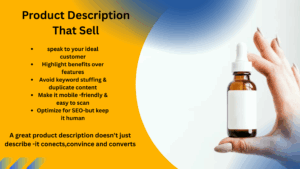
You’ve added your products, improved your website, and visitors are starting to come in. But your sales? Still low. What could be the problem?
One mistake many online sellers make is ignoring their product descriptions. Most shoppers don’t just want to know what the product is. They want to understand why it matters to them. A strong description helps make that connection. It builds trust, improves your search ranking, and gives people a reason to buy.
It doesn’t matter if you run a big eCommerce site or a small online shop, product descriptions matter. A boring or confusing one can turn people away. A clear and convincing one can help you make a sale.
In this guide, you’ll learn how to write product descriptions that speak to your customers, build trust, and help your business grow.
What is a Product Description?
A product description is a concise yet detailed piece of text that communicates the essential information about a product to potential buyers. It is not only a tool for informing but also for persuading the audience. A well-written product description goes beyond just listing features; it highlights how those features directly benefit the consumer, addresses any pain points, and creates a desire to purchase.
In the world of ecommerce, a product description serves as a virtual salesperson. It speaks to customers who may not be able to touch or physically interact with the product. It creates an emotional connection, drawing the customer in – by speaking to their needs, wants, and even their aspirations. This is why writing product descriptions is as much an art as it is a science.
Example of a Detailed Product Description:
Product Name: UltraComfort Ergonomic Office Chair
Description: Say goodbye to discomfort during long office hours with the UltraComfort Ergonomic Office Chair. Designed with your health and productivity in mind, this chair features adjustable lumbar support, contoured armrests, and a breathable mesh back that ensures comfort no matter how long you sit. The high-density foam seat cushion provides optimal pressure relief, while the tilt-and-lock mechanism allows you to find your perfect sitting angle.
Whether you’re working from home, gaming, or attending virtual meetings, the UltraComfort Chair helps you maintain a healthy posture and prevents back strain, letting you focus on what matters most.
Perfect for those who spend hours at a desk, the stylish design blends seamlessly into any office decor, making it both functional and visually appealing. Invest in your comfort and health today with the UltraComfort Ergonomic Office Chair,because you deserve it!
Key Features:
- Adjustable lumbar support
- Contoured armrests
- Breathable mesh back
- High-density foam cushion
- Tilt-and-lock mechanism
- Stylish design
Why Are Product Descriptions So Important?
Search Engine Optimization (SEO): Product descriptions are one of the most effective ways to improve your store’s SEO. By carefully selecting the right keywords—those words customers are typing into Google to find products like yours—you help search engines understand what your page is about. This increases the chances of your products appearing in search results.
Conversion Rate: Product descriptions are often the final touchpoint before a customer makes a purchase decision. A well-crafted description can encourage visitors to take action, which ultimately boosts your store’s conversion rate.
Differentiation: In a crowded marketplace, your product descriptions help your brand stand out. Compelling, well-written descriptions can highlight what makes your product unique compared to competitors.
Customer Experience: A product description enhances the overall shopping experience by addressing customer questions and providing them with all the information they need to make an informed purchasing decision. This reduces confusion and frustration, making the buying process smoother.
How to Craft Effective Product Descriptions for Your eCommerce Store
Product descriptions are one of the most crucial components of any eCommerce store. They are the bridge between your customers and your product, influencing purchasing decisions and directly impacting your sales. Whether you’re running a large eCommerce site or a small online shop, effective product descriptions can make or break a sale. A professionally made description not only informs customers about what your product is but also highlights the value and benefits it provides.
Here’s how you can create product descriptions that not only capture attention but also drive conversions and increase online sales.
1. Learn About Your Customers
The foundation of a high-converting product description is a deep understanding of your target audience. You’re not just writing about a product, you’re speaking directly to your ideal customer. To do this effectively, your copy needs to go beyond listing features. It should connect emotionally, answer key questions, and reflect the buyer’s lifestyle and needs.
Start by defining your buyer persona. Who is most likely to purchase your product? Consider demographics like age, gender, interests, lifestyle, and shopping behavior. For example, a rugged hiking backpack should emphasize durability and support for outdoor enthusiasts, while a sleek diaper bag might highlight space, ease of access, and stylish design for modern parents on the go.
Ask yourself the following:
- Who is the product for? Identify the customer segment. Are you writing for college students, busy professionals, new parents, or fitness lovers?
- What are the product’s key attributes? Include important details like size, color, material, price point, and must-have features.
- When is the product used? Is it ideal for daily routines, seasonal use, special occasions, or emergencies? A cozy blanket, for instance, could be positioned as a winter essential.
- Where will customers use the product? Is it for home, office, travel, gym, or outdoor settings? Location impacts how you frame the product’s benefits.
- Why is this product better than competitors? This is where your unique selling points (USPs) shine. Highlight what makes your item stand out—whether it’s superior craftsmanship, extra functionality, or better value.
- How does the product work? Especially important for tech, gadgets, or skincare, briefly explain how the product functions to avoid confusion and build buyer confidence.
When you answer these questions and align your copy with what matters to your customers, you create product descriptions that do more than just informing but converting browsers into buyers.
2. Focus on Benefits, Not Just Features
When writing product descriptions, it’s essential to go beyond simply listing features. While features provide essential details about the product, benefits show customers how the product will improve their lives. Instead of just informing, benefits persuade customers by addressing their needs and desires.
For example, a stainless-steel water bottle isn’t just a durable container — it keeps drinks ice-cold for hours, which is a real benefit on hot days. Similarly, a laptop isn’t just defined by its RAM and battery life; the benefit is that it allows for seamless multitasking and longer, uninterrupted work sessions.
The best product descriptions tap into customer pain points and show how the product offers a solution. When describing your product, think about how it can make a customer’s life easier, more comfortable, or more enjoyable.
Here’s an example of how to transform a feature-driven description into a benefit-driven one:

- Feature-driven: “This standing desk is crafted from durable oak with adjustable height between 28 to 48 inches.”
- Benefit-driven: “Enhance your health and productivity with this adjustable standing desk. Easily switch between sitting and standing to alleviate back pain, improve posture, and stay energized throughout the day.”
3. Use Persuasive Storytelling to Build Emotional Connection
Storytelling is a powerful tool in crafting high-converting product descriptions. Rather than just listing specifications, a well-told story builds emotional connection, enhances brand trust, and helps potential buyers envision how the product fits seamlessly into their daily routine.
Start by weaving a narrative around the origin, purpose, or unique craftsmanship of your product. What inspired its creation? Who designed or made it? What challenge does it solve in a customer’s life? Sharing these details adds authenticity and depth to your product description.
For example, instead of simply stating “Handmade ceramic mug,” dive into the story:
Each ceramic mug is hand-thrown by skilled artisans in a small Nairobi studio, using locally sourced clay. The rustic glaze and natural imperfections make every mug unique — a cozy companion for your morning coffee ritual or evening wind-down with tea.
This storytelling approach transforms a standard item into something emotionally resonant — perfect for customers looking for meaningful, handmade, or sustainable purchases.
You can also highlight how the product complements a specific lifestyle. If your audience values sustainability, craftsmanship, or wellness, tailor your story to reflect those values. For example:
- A yoga mat isn’t just eco-friendly — it’s a grounding space for daily mindfulness.
- A luxury leather journal isn’t just stylish — it’s a trusted companion for your thoughts, goals, and creativity.
In short, storytelling brings your product to life. It allows your customer to see more than just an object — they see a piece of your brand, a part of their identity, and a solution to their need.
4. Leverage Social Proof to Boost Credibility and Sales
In today’s competitive eCommerce landscape, social proof is a powerful driver of trust and conversions. Before making a purchase, most online shoppers seek validation through customer reviews, ratings, and user-generated content (all of which play a key role in influencing buying decisions)
.

When crafting your SEO-friendly product description, be sure to showcase positive feedback from real users. If your product is a bestseller, consistently earns five-star reviews, or has been praised in testimonials, highlight this directly in your copy. Phrases like:
“Rated 4.9/5 by over 1,000 satisfied customers”
“Loved by busy parents for its durability and convenience”
“A must-have according to real users”
…can instantly build credibility and consumer confidence.
Incorporating user-generated content (UGC), such as customer photos or videos, helps potential buyers visualize the product in a real-life setting. This not only adds authenticity but also strengthens relatability and trust, especially when consumers see people like themselves benefiting from your product.
Additionally, consider using badges or trust icons like:
- “Top-rated by verified buyers”
- “As seen in [reputable blog or platform]”
- “Customer favorite: Over 5,000 sold”
These visual cues make it easy for shoppers to recognize your product’s popularity and reliability.
5. Make Your Product Description Easy to Read and Scan
Online shoppers typically skim rather than read, so it’s crucial to structure your product descriptions for quick and easy consumption. A cluttered block of text can overwhelm readers and cause them to bounce — even if the product is exactly what they need.
To create scannable, user-friendly product content, follow these best practices:
- Use bullet points to highlight key features and benefits. This allows customers to grasp the most important information at a glance.
- Break up long paragraphs into shorter, digestible sections. Stick to 2–3 sentences per paragraph.
- Incorporate headings or subheadings to guide readers through the content — especially if your product has multiple use cases or technical specs.
- Bold important details like measurements, materials, and standout features to draw the eye.
- Use plain, conversational language that’s easy to understand — no technical jargon unless necessary for your target audience.
For example, instead of writing:
“Our stainless-steel vacuum bottle, featuring a double-wall interior and 750ml capacity, is designed to maintain liquid temperature for extended periods.”
Try:
✅ Keeps drinks hot or cold for hours
✅ 750ml capacity – perfect for on-the-go hydration
✅ Durable stainless steel with leak-proof lid
This format enhances both readability and SEO, while helping potential buyers quickly understand why your product is the right choice.
6. Add High-Quality Visuals to Enhance Your Product Descriptions
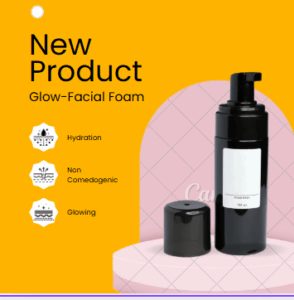
A compelling product description should be supported by visually engaging content that captures attention and builds confidence in your product. Shoppers can’t touch, feel, or try your product online — so your images and videos need to bridge that gap.
Here’s how to effectively incorporate high-quality visuals into your eCommerce listings:
Use High-Resolution Product Images
Clear, crisp images are non-negotiable. Ensure every photo is professionally shot, well-lit, and in high resolution. Showcase the product from multiple angles — front, back, side, and close-ups — so customers can explore every detail before they buy.
Include Lifestyle and Contextual Shots
Show your product in action. If you’re selling home décor, include images of the item styled in a room. For clothing or fashion accessories, feature models of diverse body types wearing the items in everyday settings. This helps customers visualize the product in real life, increasing emotional connection and buyer confidence.

Use Demo Videos or Product Walkthroughs
Short, engaging product videos or animations can demonstrate functionality, size, and use-case benefits more effectively than text alone. For example:
- A gadget video can highlight features and how it solves a problem.
- A kitchen tool demo can show ease of use and time-saving benefits.
- An unboxing video builds trust by showing what the customer will receive.
Optimize for Web Performance
Large, uncompressed files can drastically slow down your site — hurting user experience and SEO rankings. Use compressed, web-optimized formats (like WebP or compressed JPEGs), and apply alt tags with relevant keywords to improve accessibility and search engine visibility.
Quick Visual Tips Checklist:
- ✔️ Minimum 3–5 product images
- ✔️ Use consistent background and lighting
- ✔️ Add lifestyle/contextual photos
- ✔️ Provide zoom-in capability for product details
- ✔️ Feature short demo or testimonial videos
- ✔️ Name image files descriptively with keywords
- ✔️ Include ALT text for SEO
When you complement compelling copy with striking visuals, your product pages become more dynamic, engaging, and informative. This helps shoppers make faster, more confident purchasing decisions while minimizing doubts and cart abandonment.
7. Optimize for SEO
A great product description doesn’t just sell, it helps your product get found. Using keywords naturally ensures search engines recognize your listing while keeping product copy engaging. Instead of forcing phrases like “best hiking backpack waterproof travel,” write “This lightweight, waterproof hiking backpack is built for adventure.”
Incorporate long-tail keywords and product-specific terms to improve visibility. For example, a t-shirt might include “soft cotton graphic t-shirt” or “men’s slim-fit crewneck t-shirt.”
Don’t forget title tags, meta descriptions, and alt text. A well-optimized product title and meta description improve search rankings and click-through rates, while alt text makes images searchable and accessible.
8. Test Different Descriptions to See What Converts Best
Not all product descriptions will perform the same,what works for one product or audience may fall flat for another. That’s where A/B testing comes in.
A/B testing (also called split testing) allows you to compare two or more versions of your product copy to see which one generates the highest conversions. When you show different descriptions to different users and tracking the results, you gain valuable insight into what truly influences purchasing decisions.
Popular ecommerce platforms like Shopify, WooCommerce, and Magento make it easy to test variations of product pages. You can experiment with elements such as:
- Short vs. long descriptions
- Formal vs. playful tone
- Story-driven content vs. direct facts
- Use of bullet points
- Sensory and emotional language
Once you’ve collected enough data, you can identify which format or language style resonates most with your audience and use that winning version to boost your overall sales.
Top Mistakes That Hurt Your Product Descriptions and How to Fix Them
A high-quality product won’t sell itself if the description fails to connect with your audience. Product copy that’s vague, overloaded with keywords, or poorly optimized can negatively impact conversions and increase return rates. Let’s explore some of the most common product description mistakes and how to avoid them.
Ignoring Mobile Optimization
Mobile commerce is booming and if your product pages aren’t optimized for small screens, you’re losing potential buyers. Long paragraphs, tiny fonts, or slow-loading images can quickly frustrate mobile users and drive them away.
What to do instead:
- Keep sentences short and scannable.
- Use bullet points to highlight key benefits.
- Add subheadings or bold text to break up content.
- Optimize image sizes for quick loading.
Poor mobile experience example:
“Our coffee maker comes with a premium brewing system, durable stainless-steel frame, and convenient settings. Great for home, office, or travel.”
Mobile-friendly version:
Brew better mornings.
- Advanced brewing system for rich, smooth flavor
- Durable stainless-steel design
- Compact and portable — perfect for any space
- Brew a single cup or a full pot — your choice
Keyword Stuffing and Repetitive Content
Overloading your product descriptions with keywords doesn’t boost SEO, it weakens readability and damages user trust. Search engines favor content written for humans, not bots. Copy-pasting from competitors or manufacturers also reduces your brand’s uniqueness and hurts your ranking.
What to do instead:
- Do keyword research and use terms naturally.
- Focus on original, benefit-driven content.
- Make the copy flow smoothly and stay user-centered.
Poor example:
“Best shoes for running fast lightweight best running shoes breathable sneakers.”
Better example:
“Lightweight and breathable, these running shoes are built for speed and comfort—so you can power through every mile with ease.”
Using Generic or Vague Language
Words like “excellent” or “top-quality” don’t say much and won’t help your product stand out. Vague descriptions create confusion, leading to buyer hesitation or high return rates.
What to do instead:
- Be specific and use descriptive, sensory-rich language.
- Highlight the actual benefits and use cases.
- Reflect your brand voice for authenticity and trust.
Generic example:
“Stylish, comfortable sweater.”
Effective example:
“Woven from buttery-soft Merino wool, this fitted sweater keeps you cozy during chilly mornings—perfect for layering or solo wear.”
Frequently Asked Questions (FAQs)
Why are product descriptions important for my eCommerce store?
Product descriptions help customers understand what you’re selling, how it solves their problems, and why they should choose it over competitors. They also support SEO, helping your products appear in search results.
How long should a product description be?
There’s no one-size-fits-all answer. Short descriptions (50–100 words) work for simple products, while complex items may need 200–300 words. Focus on clarity, usefulness, and readability rather than a specific word count.
Should I use bullet points or paragraphs?
Both! Use paragraphs for storytelling or highlighting emotional benefits, and bullet points for quick-scanning specs or key features. This improves readability and keeps mobile users engaged.
Can I use the manufacturer’s description on my website?
No — it’s best to avoid this. Manufacturer descriptions are often duplicated across many sites, which hurts your SEO. Instead, create unique and compelling content tailored to your audience.
Should every product have a unique description?
Yes! Unique descriptions improve SEO, build trust, and give you the chance to tailor messaging for different products and buyer personas.
Now you know what goes into writing product descriptions that actually drive sales.
Whether you’re just starting out or have been selling for years, the real secret is simple: know your audience. When you understand what your customers want, it becomes much easier to write in a way that connects and converts.
Remember, a product description isn’t just a list of details, it’s your chance to show how your product improves someone’s life. Speak to real people, highlight real benefits, and you’ll give shoppers a genuine reason to hit “Buy Now.”
Ready to turn browsers into buyers? Start rewriting your product descriptions today and watch your conversions

