
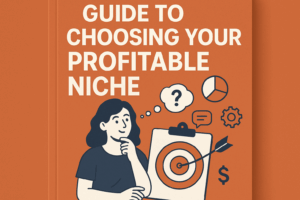
Choosing a niche is one of the most important steps in starting a business or building an online presence. But what exactly is a niche, and how do you choose one that’s profitable? If you’re feeling overwhelmed or unsure where to start, don’t worry. In this guide, we’ll break it down for you in easy-to-understand steps. By the end, you’ll have the confidence to pick a niche that works for you and your wallet.
What’s a Niche, Anyway?
Let’s start with the basics. A niche is simply a specialized area of focus within a larger market. For example, instead of trying to sell “fitness products” to everyone, you might choose to focus on “fitness products for busy moms.” By narrowing your focus, you can better serve a specific group of people who are more likely to buy from you because you’re speaking directly to their needs.
Think of it like fishing. Instead of casting a giant net into the ocean and hoping to catch something, you’re using a fishing rod and targeting a specific fish that’s easier to catch and more likely to bite. In business, this means you’re targeting a specific audience that is looking for exactly what you’re offering.
Why Does Choosing the Right Niche Matter?
When you try to appeal to everyone, you end up appealing to no one. If you focus on a specific niche, you’ll be able to tailor your content, products, and marketing directly to the people who are most likely to purchase from you. Here are a few reasons why choosing the right niche is crucial:
- Less Competition: When you narrow your focus, there are fewer people competing for the same audience. It’s easier to stand out.
- Better Targeting: You can create content or products that speak directly to the unique needs of your niche, which makes it easier to build a loyal following.
- Increased Profits: The more specific your niche, the more likely you are to attract people who are ready to spend money on what you’re offering.
Step 1: Identify What You’re Passionate About
The first step to finding a profitable niche is to think about what interests you. Running a business is hard work, and if you’re not passionate about your niche, it’s easy to get burned out.
Start by making a list of things that you enjoy, are good at, or could talk about for hours. It might help to ask yourself questions like:
- What do I love doing in my free time?
- What problems do I enjoy solving?
- What do I often find myself helping others with?
For example, let’s say you love animals. Maybe you’ve always had pets, volunteered at animal shelters, or spent time learning about animal care. This could be the start of your niche. The key here is to find something that excites you so that you’ll be motivated to keep going even when things get tough.
Step 2: Find Out If People Are Interested
Once you have a few niche ideas based on your passions, it’s time to check if people are actually looking for what you’re offering. There’s no point in starting a business if no one is searching for the product or service you want to provide.
Here’s how to check:
Google Trends
This free tool allows you to see how popular a search term is over time. Just type in the niche you’re considering and see if interest is growing or declining.
Keyword Research Tools
Using tools like Ubersuggest or Ahrefs, you can search for keywords related to your niche. This will show you how many people are searching for those terms each month and how competitive the market is.
Social Media and Forums
Look at what people are talking about on platforms like Facebook, Instagram, Reddit, or Quora. Are there conversations happening around your niche? Do people have questions that your business could answer?
Check Out Your Competition
Take a look at businesses that are already in your niche. Are they successful? Do they have a large following? If others are doing well, it’s a good sign there’s demand.
Step 3: Make Sure It’s Profitable
Having a passion for something is great, but it’s also important to make sure that your niche is profitable. You need to make money to keep your business running, right?
Here are some ways to figure out if your niche can bring in cash:
Are People Willing to Spend Money?
Look at the products, services, or courses that are being sold in your niche. Are people buying them? If you’re focusing on a topic like fashion, check out clothing brands or online stores. Are they thriving? If so, that’s a good indication there’s money to be made.
Affiliate Programs
Check if there are affiliate programs related to your niche. These are programs where you can promote products and earn a commission on sales. If there are many affiliate products, it shows people are making money in your niche, which means there’s potential for profit.
Sponsorships and Advertising
If you plan to build a blog or a YouTube channel around your niche, see if brands are sponsoring influencers or paying for ads. This can give you an idea of how much money businesses are willing to invest in your niche.
Step 4: Evaluate the Competition
While competition is good (it means there’s demand), you don’t want to get into a niche that’s oversaturated. Too much competition can make it harder to stand out and attract customers.
To find out how much competition exists, start by searching for your niche online. Are there already a lot of businesses, blogs, and influencers dominating the space? If so, you might want to find a sub-niche within that category. For example, instead of going into the broad category of fitness, you could narrow it down to “fitness for seniors” or “fitness for beginners.”
But don’t be afraid of competition entirely! If you can offer something different, solve a unique problem, or bring a fresh perspective, you can still make your mark.
Step 5: Test and Refine Your Niche
Once you’ve chosen a niche, it’s time to start creating and testing. Don’t be afraid to experiment with your offerings, messaging, and content. Pay attention to the feedback you get, both from customers and the results you’re seeing. If something isn’t working, tweak it until you find the sweet spot.
You might also find that your niche evolves over time. As you learn more about your audience and what they need, your niche could shift slightly, and that’s okay. The important thing is to stay flexible and keep learning.
Choosing a profitable niche is not guesswork. Start with what you love, make sure there is demand, and confirm it can bring in profit. With the right niche and strong content, growth becomes easier.
I help eCommerce, service-based, and SaaS businesses create SEO-friendly content that connects with their audience, drives conversions, and builds authority. Let’s create content that works for you.

